What Is Credit Utilization and Why Does It Matter?
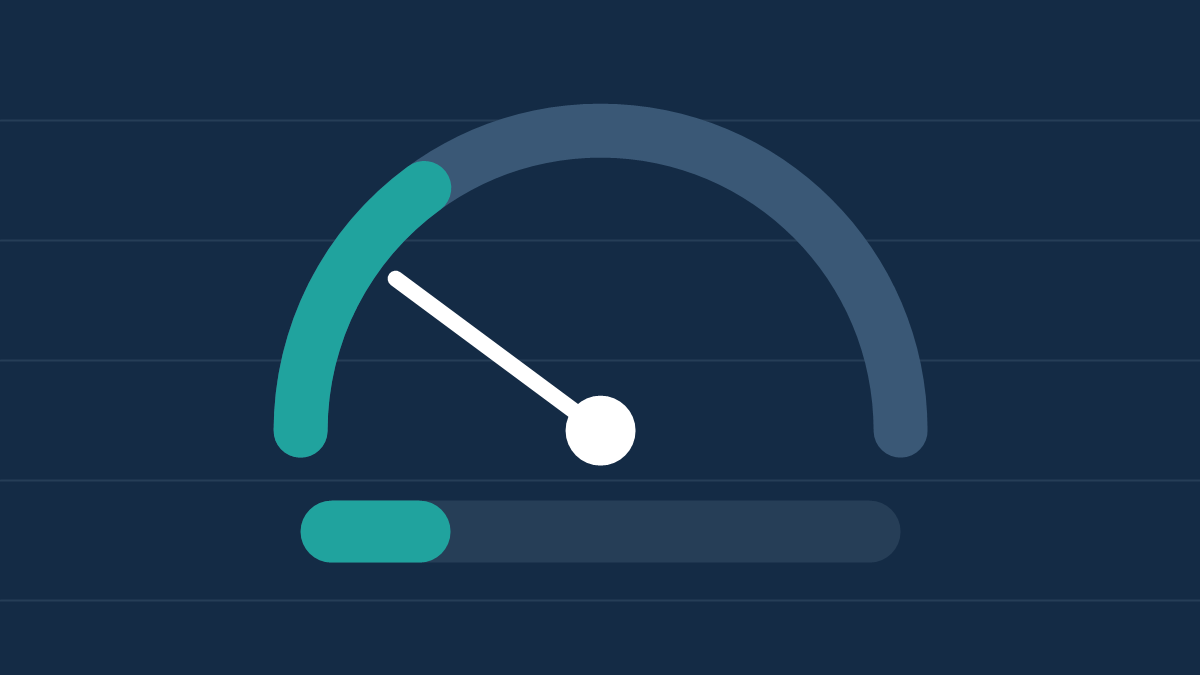
Credit utilization is the percentage of your available revolving credit that you are using. If you have a $5,000 total limit and owe $1,500, your utilization is 30%. It matters because amounts owed are a major part of common credit scores, and utilization is one of the main ways scoring models judge them.
Key Takeaways
- Formula: balance / credit limit x 100.
- Amounts owed make up about 30% of a FICO score, and utilization falls under that category.
- The CFPB says many experts recommend using less than 30% of your total limit, and that people with the highest scores often use less than 10%.
- These numbers are guidelines. There is no single cutoff that guarantees a result.
- The balance on your statement is generally what gets reported, even if you pay in full afterward.
How to calculate your credit utilization
Divide what you owe by your limit, then multiply by 100. It helps to look at both each card and your overall total.
Example: two cards
Here is a hypothetical cardholder with two cards:
| Card | Balance | Limit | Utilization |
|---|---|---|---|
| Card A | $500 | $2,000 | 25% |
| Card B | $1,000 | $3,000 | 33.3% |
| Overall | $1,500 | $5,000 | 30% |
Run your own numbers with the credit utilization calculator.
Why utilization matters
FICO groups utilization under “amounts owed,” which it says makes up 30% of its scores, second only to payment history at 35%. It explains that a high percentage of used credit can hurt, because it can suggest you are overextended. The CFPB also lists how much of your available credit you use among the factors that credit scoring models consider.
Different scoring models treat the data differently, and you have many scores. So use this as a general guide, not an exact formula.
What is a good utilization rate?
There is no official number, and you may see different advice. Here is what our primary sources say:
- The CFPB’s current guidance says many experts recommend using less than 30% of your total credit limit.
- It adds that consumers with the highest credit scores often use less than 10%.
- FICO does not publish a specific threshold, but it says that in some cases a low ratio can have a more positive impact than not using any of your available credit at all.
In practice, lower is generally better, and 0% is not necessarily the goal. Keep in mind that utilization is only one part of your profile, so hitting a target alone does not guarantee a given score.
When your utilization gets measured
This is the part that surprises many people. According to FICO, the balance on your last statement is generally what is reported to the credit bureaus. So you can pay your bill in full every month and still show a balance.
Example: timing a payment
Suppose a hypothetical card with a $1,000 limit has a $400 balance on the day the statement closes. That reports as 40%, even if you pay it all by the due date. If you instead paid $300 a few days before the closing date, the reported balance would be $100, or 10%. Ask your issuer when it reports if timing is important to you, since practices can vary.
Usually this only matters when you are about to apply for credit. If you are not, there is little reason to micromanage it.
How to lower your credit utilization
- Pay down balances. This is the most direct way, and it also cuts your interest costs. The debt payoff calculator can help you plan.
- Pay before the statement closes. This lowers the balance that gets reported.
- Make more than one payment a month. Paying as you go keeps the running balance down.
- Spend less on the card with the smaller limit. A low limit makes a high ratio easy to reach.
- Ask about a higher limit, carefully. A higher limit lowers your ratio if your spending stays the same. Ask whether the request involves a hard inquiry, and do not treat it as room to spend more.
What to be careful about
Closing a card
Closing an account you no longer use removes its limit from your total, which can raise your overall utilization.
Example: closing an unused card
Using hypothetical numbers: you owe $1,000 and have two cards with limits of $2,000 and $3,000, so your overall utilization is 20%. Close the unused $3,000 card, and your total limit drops to $2,000. The same $1,000 balance is now 50%.
Assuming it only applies to cards
Utilization usually refers to revolving credit, such as credit cards and lines of credit, rather than installment loans like auto loans. Those loans are generally treated differently.
Paying to carry a balance
The CFPB states that you do not need to carry a balance to get a good score. Interest is a real cost, with no scoring benefit in return.
Important Considerations
- Payment history carries more weight than utilization in FICO’s published breakdown. Never miss a payment in pursuit of a lower ratio.
- Do not move money away from essentials such as housing, food or insurance only to change a ratio.
- We cannot predict how a change will affect your score.
The bottom line
Credit utilization is simple math with a real effect on your credit profile. Keep balances low relative to your limits, pay on time and remember that your statement balance is usually what gets reported. To put this into practice, see how to build credit with a credit card.
Frequently Asked Questions
Is it better to have 0% utilization?
Not necessarily. FICO says that in some cases a low ratio can have a more positive impact than using none of your available credit at all. A small balance reported and then paid off is a common approach, and you still do not need to pay interest.
Does utilization look at each card or my total?
Generally both can matter. That is why it is worth checking each card as well as your overall figure. Scoring models do not all treat this in the same way.
How quickly does paying down a card change my utilization?
The reported figure usually changes once your issuer sends an updated balance to the credit bureaus, often around your statement date. How your score responds depends on your whole report.
Do business credit cards count toward my utilization?
It depends on whether the issuer reports the account on your personal credit reports, and practices vary. Check with the issuer.
Related Articles
How to Build Credit With a Credit Card
A credit card can build your credit history if you use it carefully. Here are the habits that matter, what does not help, and the mistakes that can set you back.
Read More
Best Credit Cards for Beginners: What to Look For Before You Apply
There is no single best first card. Here is how to compare secured, student and starter cards on the costs and features that matter when you are new to credit.
Read More
What Is APR on a Credit Card? A Beginner’s Guide
APR is the yearly price of borrowing on a credit card. Learn the different types, how issuers turn APR into a daily charge, and how the grace period can spare you from paying it.
Read MoreSources
Checked November 5, 2026.
- How do I get and keep a good credit score? Consumer Financial Protection Bureau.
- What is a credit score? Consumer Financial Protection Bureau.
- How to rebuild your credit. Consumer Financial Protection Bureau.
- What’s in my FICO Scores? myFICO.
- How amounts owed impact your FICO Score. myFICO.
Financial disclaimer: This article is for general education and is not individual financial, legal or tax advice. Card issuers decide eligibility and set their own terms, which can change. We cannot guarantee approval or any credit score result. Check current terms with the issuer before you apply. Read the full disclaimer.